
Articles
South London's Sporting Culture: What Can Britain Learn From Paris and Amsterdam?
South London has produced an extraordinary collection of sporting talent. Comparing its sporting culture with Paris and Amsterdam raises a wider question: what does sport actually create for the communities themselves?
Mohamed Kadiye · 6 November 2026 · 4 min read
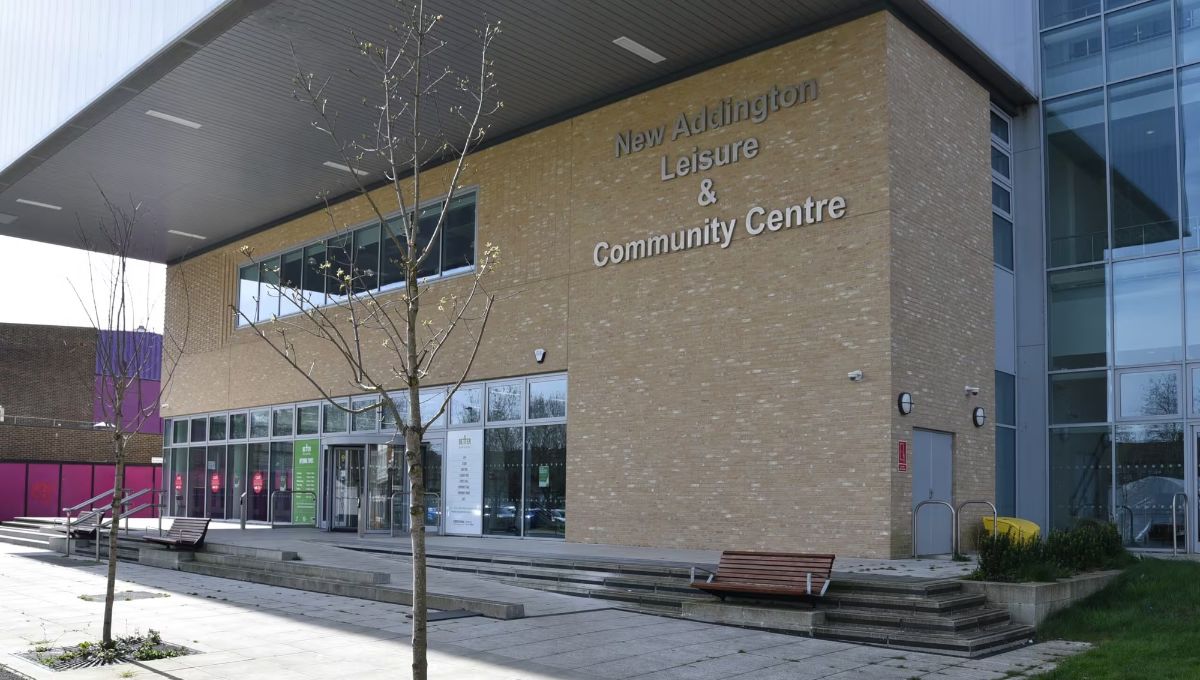
South London has produced an extraordinary collection of sporting talent. From footballers such as Jadon Sancho and Wilfried Zaha to athletes competing across different disciplines, the area has developed a reputation for sporting ambition.
But what makes certain communities so successful at developing talent?
Is it the availability of facilities, the influence of local role models, competition between neighbourhoods or something deeper within the culture?
And beyond producing professional athletes, what does sport actually create for the communities themselves?
These questions become particularly interesting when South London is compared with the sporting cultures of Paris and Amsterdam.
Where Sport Becomes Part of the Community
In the Netherlands, the Johan Cruyff Foundation's Heroes of the Cruyff Courts programme demonstrates an approach to community sport that extends beyond developing professional footballers.
Young people are encouraged to organise sporting activities, become role models and take greater responsibility within their neighbourhoods.
The idea is relatively simple. Sport does not have to begin with expensive memberships, specialist academies or ambitions of becoming a professional athlete.
Sometimes it begins with having somewhere to play.
The Paris suburbs offer another interesting comparison.
Local football clubs, informal matches and neighbourhood pitches are part of the region's sporting culture. The wider Île-de-France area is associated with numerous professional footballers who developed their abilities in these environments.
But the presence of sporting talent does not automatically explain why that talent develops.
Access to coaching, family support, opportunities to compete and established pathways into professional sport all deserve consideration.
South London shares elements of this culture, although its sporting history and infrastructure are different.
Across its boroughs, local football clubs, boxing gyms, athletics programmes and public sporting facilities offer opportunities for participation.
The question is whether Britain fully recognises the wider value of these environments.
What Happens Beyond Professional Sport?
For every young person who becomes a professional athlete, thousands participate without ever reaching that level.
Their experiences are equally relevant when considering the social value of sport.
A local football club might provide friendships and structure. A boxing gym might offer discipline and positive adult relationships. A basketball court might become a regular meeting place for young people from different backgrounds.
These opportunities can help develop confidence, identity and a sense of belonging.
According to Sport England's Active Lives Children and Young People Survey for 2024–25, 49.1% of children aged 5 to 16 in England met the recommended average of 60 minutes of daily physical activity.
Another 28.4% averaged less than 30 minutes per day.
The same research found that children from the least affluent families were less likely to meet activity recommendations than those from the most affluent families.
These findings raise questions about access and affordability.
A child might live close to a sporting facility yet still face barriers involving membership fees, equipment, transport or the availability of suitable activities.
Can Sport Help Build Safer Communities?
The relationship between community sport and crime prevention is another important consideration.
The Youth Endowment Fund's research on sports programmes suggests that targeted activities may help reduce young people's involvement in violence.
Its review identifies several possible mechanisms, including positive relationships with coaches, opportunities to develop social skills and reduced exposure to harmful influences.
However, the organisation explicitly states that confidence in the estimated crime-reduction effect is low because the evidence is limited.
The findings concern targeted programmes for young people vulnerable to violence or already involved with the justice system. They should not be treated as proof that ordinary recreational sport reduces crime across an entire neighbourhood.
Sport alone cannot resolve poverty, unemployment, educational inequality or the wider circumstances associated with youth violence.
Nevertheless, organised activities may offer something valuable: structured time, supportive relationships and opportunities to participate in positive community environments.
Rather than assuming that successful sporting communities automatically experience lower crime, we should examine whether their clubs, facilities and local programmes create opportunities that might otherwise be unavailable.
Sporting success and equal sporting opportunity are not necessarily the same thing.
What Can the Rest of Britain Learn?
Perhaps the most important lesson is that sporting infrastructure should not be measured exclusively by the professional athletes it produces.
A public pitch might never produce a Premier League footballer. Yet it could still provide years of recreation, friendships and community activity.
The Cruyff Courts demonstrate one approach to designing sport around neighbourhood participation.
Paris provides a different setting in which to examine local football culture and pathways into professional sport.
South London's experience offers an opportunity to investigate how community clubs, local identity and sporting ambition interact.
But replicating these environments elsewhere requires more than installing facilities.
It requires considering maintenance, affordability, coaching, safeguarding, transport and whether young people themselves feel welcome.
Beyond the Sporting Stars
South London's contribution to British sport is worth celebrating.
But perhaps its most interesting story is not simply the number of exceptional athletes who have emerged from its communities.
It is the wider environment in which sporting ambitions, friendships and identities develop.
The question for policymakers, sporting organisations and local communities is therefore not simply how to produce the next generation of champions.
It is how to create environments in which more young people have the opportunity to participate, develop and belong.
Because the true value of a sporting community may not be measured only by the champions it produces, but by the opportunities it creates for everyone else.
Editorial note: This article explores possible relationships between sporting culture, opportunity and community wellbeing. It does not establish that sport has reduced crime in South London.