
Articles
Did Britain Learn Basketball Through a Screen?
NBA 2K, lockdown viewing, late-night fandom and the regeneration of local courts may help explain how basketball has become more culturally visible in Britain.
Athagora Research · 19 August 2026 · 6 min read
Did Britain Learn Basketball Through a Screen?
NBA 2K, lockdown viewing and the regeneration of local courts may help explain why basketball now feels more culturally present in Britain than its domestic profile suggests.
For years, British basketball has had an unusual problem. The sport can feel much bigger than the domestic professional game around it.
Young people wear NBA jerseys, know American players, understand basketball language and play the sport in parks and schools. Yet Britain has never developed a basketball economy comparable to football, and following an NBA team from here has traditionally required a certain level of commitment.
So perhaps the interesting question is not when Britain became interested in basketball. It is how people became basketball fans in the first place.
Basketball could be learned before it was watched
For a generation of British fans, the first meaningful interaction with basketball may not have been a live game. It could have been a PlayStation.
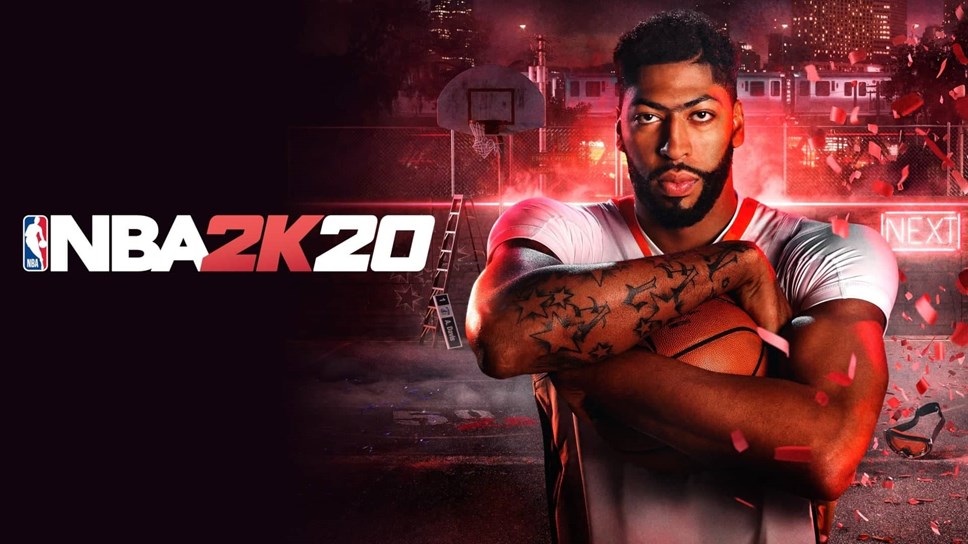
NBA 2K20 was the ninth best-selling video game in the UK during 2020, selling roughly 481,000 copies according to UK games industry sales data. That placed an NBA game inside a market still overwhelmingly dominated by football, Call of Duty, Grand Theft Auto and other major franchises.
That matters because a sports game is not just entertainment. Spend enough time playing NBA 2K and you gradually learn the league without deliberately studying it. You learn which players are good shooters, which teams are rivals, what positions do, how trades work and why certain players carry more status than others.
Research into the relationship between sports gaming and real-world fandom has found that games can help players learn about teams and athletes, and can contribute to interest in the real sport. One study published by The Sport Journal found that many participants felt sports games had helped them become interested in real teams or athletes.
Psychologically, familiarity matters. A random NBA fixture becomes more interesting once you recognise ten of the players on the court. A trade matters more when you have already used that player hundreds of times in a game.
The screen can remove the first barrier to fandom: not knowing enough to care.
Then normal life stopped
The timing of NBA 2K20's popularity is difficult to separate from what happened in 2020.
Lockdown changed how Britain spent its time. Ofcom's research into online behaviour during 2020 found that UK adults were spending an average of 217 minutes online each day, while gaming became an important way for younger people to socialise and spend time with friends.
Sport was affected differently. There were fewer nights out, fewer journeys to work and school, fewer organised activities and long stretches when normal weekly routines disappeared. People had more opportunity to experiment with entertainment they might previously have ignored.
The NBA returned inside its Orlando bubble in the summer of 2020, and something else changed. Some games were scheduled much earlier than normal NBA fixtures, with certain games beginning around 1pm Eastern Time, according to the NBA restart schedule. For British viewers, that meant some live basketball was suddenly available in the early evening rather than the middle of the night.
We cannot say lockdown created a generation of British NBA fans. There is no clean dataset proving that.
But the behavioural conditions were unusual. People had more time online, gaming had accelerated, routines were disrupted and some NBA basketball became easier to watch live from Britain.
That combination is worth examining.
The late-night problem never completely disappeared
Time zones remain one of the NBA's biggest structural disadvantages in Britain.
Following an American team is different from following Arsenal or Liverpool. Many important NBA games begin after a British viewer would normally be asleep, particularly games played on the US West Coast.
That changes the psychology of fandom. A Premier League supporter can build habits around Saturday afternoons, pubs, family members and going to matches. An NBA fan in Britain has often needed a more individual routine: highlights the next morning, social media clips, gaming, podcasts and occasionally staying awake until the early hours.
Streaming has reduced that barrier. NBA League Pass gives UK viewers access to live and on-demand games, meaning being a supporter no longer requires watching every fixture in real time.
There are also signs that the audience is responding. The NBA reported that its 2026 London game became the most-watched NBA London Game in Europe, with viewership 90% higher than the previous London game in 2019. It also reported significant year-on-year growth in UK viewing through Prime Video. The figures were published in the NBA's report on its Berlin and London games.
Something is clearly moving.
Digital fandom is now meeting physical basketball
The most interesting development may be happening away from television.
According to Basketball England, nearly 1.1 million children aged five to 16 in England play basketball each week. Its junior national league has also grown, while the Jr. NBA programme reaches hundreds of schools and thousands of children.
At the same time, the spaces where informal basketball happens are receiving renewed attention.
Basketball England's Project Swish has distributed thousands of nets, mapped places to play and supported the improvement of outdoor basketball spaces. Its model brings together local authorities, communities, clubs and funders to improve access to courts.
That matters sociologically because a court is more than sporting infrastructure. A usable court creates somewhere to meet, creates visibility and allows younger children to see older players using the space.
Friendship groups can form around it. Someone can begin playing without needing a membership, organised training session or a parent to drive them somewhere.
Repeated often enough, a physical space can become part of a neighbourhood's culture.
The regeneration of courts therefore does something digital basketball cannot. It gives the culture somewhere local to exist.
The pathway may now work in both directions
Traditionally we might imagine sports fandom working like this: you play the sport, then you become interested in the professionals.
Basketball increasingly allows the journey to happen backwards.
A teenager might discover a player through NBA 2K, follow him online, start watching highlights, buy basketball shoes and only later decide to play at a local court.
Another may start at school, discover the NBA afterwards and then become interested in American basketball culture.
The distinction between player, gamer and fan becomes less clear.
This may help explain why measuring basketball's British relevance only through domestic television audiences or professional league attendances misses part of the story.
The culture can grow before the industry catches up.
Britain may now be entering the next stage
The NBA appears to recognise the opportunity. London hosted another regular-season game in 2026, while Manchester is due to host its first NBA regular-season game in January 2027 as part of the league's European expansion. The league confirmed those plans in its announcement for the Paris and Manchester games.
The commercial question is what happens around those events.
Can someone who knows basketball through 2K become a regular viewer? Can someone who watches the NBA become attached to a British club? Can a regenerated court create a participant who becomes a consumer of the sport?
And can British basketball organisations build relationships with an audience whose basketball identity may have been formed through Los Angeles, Boston or Golden State rather than the city where they actually live?
Those are much harder questions than asking whether basketball is becoming more popular.
But they are probably more useful.
Because Britain's basketball growth may not have started inside an arena.
It may have started in bedrooms, on consoles and late at night, before eventually finding its way back onto the court.